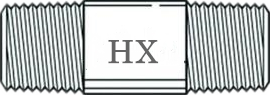


Установкатройник из латуниможет показаться простым, но неправильная установка является одной из основных причин утечек, перепадов давления и преждевременного выхода из строя фитинга. Независимо от того, работаете ли вы с водопроводом в жилом доме или с промышленной системой сжатого воздуха, очень важно соблюдать правильные методы установки. В этой статье представлено пошаговое руководство по правильной установке латунного тройника с особым вниманием к подготовке резьбы, контролю крутящего момента и совместимости материалов.
Первым шагом перед любой установкой является выбор правильноготройник из латунидля вашего приложения. Факторы, которые следует учитывать, включают рабочее давление, температурный диапазон, тип жидкости (вода, масло, газ или химикаты) и стандарт резьбы (NPT или BSP).Фитинги для труб Хунсиньпредлагает латунные тройники с четкой маркировкой с указанием характеристик резьбы, что позволяет легко проверить совместимость перед установкой.
Убедившись в правильности выбора тройника, начните с проверки резьбы как тройника, так и резьбы сопрягаемой трубы. Высококачественные латунные тройники для труб, например, производства Hongxin, имеют чистую резьбу без заусенцев. Тем не менее, хорошей практикой по-прежнему является вытирание мусора и остатков транспортировки. Для наружной резьбы соединительных трубок нанесите подходящий резьбовой герметик. Лента из ПТФЭ (широко известная как тефлоновая лента) приемлема для многих применений с водой и воздухом, но для газопроводов или высокотемпературных систем более подходящим может быть полужидкий или пастообразный герметик для резьбы. Наматывайте ленту по направлению резьбы (по часовой стрелке, если смотреть на конец трубы), чтобы предотвратить распускание ленты во время затяжки.
Распространенной ошибкой является чрезмерная затяжка латунного тройника. Латунь мягче стали, и чрезмерный крутящий момент может растянуть или треснуть фитинг, что приведет к скрытым повреждениям, которые могут вызвать утечку через несколько недель или месяцев. Вручную затяните тройник на каждой трубе до тех пор, пока он не станет плотным, затем используйте гаечный ключ, сделав не более одного-двух дополнительных оборотов. Никогда не используйте трубный ключ с зубцами, которые могут повредить латунную поверхность. Вместо этого используйте гаечный ключ с гладкими губками или ленточный ключ, чтобы защитить внешнюю часть фитинга.
Еще одним важным моментом является поддержка тяжелых трубопроводов. Если латунный тройник является частью длинного участка трубы, убедитесь, что трубы надежно закреплены подвесками или кронштейнами. Без поддержки вес труб может создавать постоянную нагрузку на тройник, что в конечном итоге приводит к усталости резьбы или растрескиванию.Фитинги для труб ХунсиньКомпания разрабатывает латунные тройники с одинаковой толщиной стенок, чтобы выдерживать нормальные эксплуатационные нагрузки, но ответственность за правильную установку лежит на монтажнике.
После установки всегда выполняйте испытание под давлением, прежде чем закрывать или закапывать трубы. В системах водоснабжения создайте давление в линии и осмотрите каждое тройное соединение латунной трубы на наличие влаги. Для газовых систем используйте раствор для обнаружения утечек или электронный детектор газа. Правильно установленный латунный тройник от такого надежного поставщика, какФитинги для труб Хунсиньне должно иметь признаков утечек при нормальном рабочем давлении.
Наконец, ведите учет того, какие фитинги использовались в каждом проекте.Фитинги для труб Хунсиньобеспечивает отслеживание партий латунных трубных тройников, что позволяет отслеживать производственные партии в маловероятном случае возникновения проблем с материалом. Этот уровень документации особенно ценен для подрядчиков и руководителей предприятий, ответственных за долгосрочное обслуживание системы.
Следуя этим рекомендациям по установке и выбирая качественные компоненты, вы можете быть уверены, что тройники из латунных труб останутся герметичными на протяжении всего срока службы системы.